
Wellness

Ayurvedic Diet: Eating for Balance, Digestion, and Wellness

Diet plays a central role in Ayurveda. Unlike modern diet trends that focus only on calories or nutrients, the Ayurvedic diet emphasizes how, when, and what we eat to maintain balance in the body and mind. Ayurveda believes that food is not just nourishment—it is medicine. A properly balanced diet helps improve digestion, strengthen immunity, and support overall well-being.

The Ayurvedic View of Food

According to Ayurveda, health depends on the balance of the three doshas—Vata, Pitta, and Kapha. Each individual has a unique constitution, and diet should be adapted accordingly. An Ayurvedic diet focuses on:

• Strengthening digestion (Agni) • Preventing toxin buildup (Ama) • Nourishing body tissues • Maintaining mental clarity and energy Food is chosen not only for nutrition but also for its effect on digestion and balance.

Importance of Digestion in an Ayurvedic Diet

Ayurveda considers digestion more important than the quantity of food consumed. Even nutritious food can cause problems if digestion is weak. Signs of healthy digestion include: • Good appetite • Lightness after meals • Regular bowel movements • Sustained energy levels Herbal formulations traditionally used to support digestion such as Trifala Churan and Dashasanskar Churna are often included alongside dietary discipline to maintain digestive balance.

Key Principles of an Ayurvedic Diet

Eat Fresh and Seasonal Foods Ayurveda recommends freshly prepared meals using seasonal ingredients. Fresh food is easier to digest and provides better nourishment compared to processed or stored foods. Follow Regular Meal Timings Eating meals at consistent times helps regulate digestion and metabolism. Skipping meals or irregular eating weakens Agni over time. Include All Six Tastes A balanced Ayurvedic meal includes: • Sweet • Sour • Salty • Bitter • Pungent • Astringent Including all tastes helps satisfy the body and prevents overeating.

Ayurvedic Foods That Support Daily Wellness

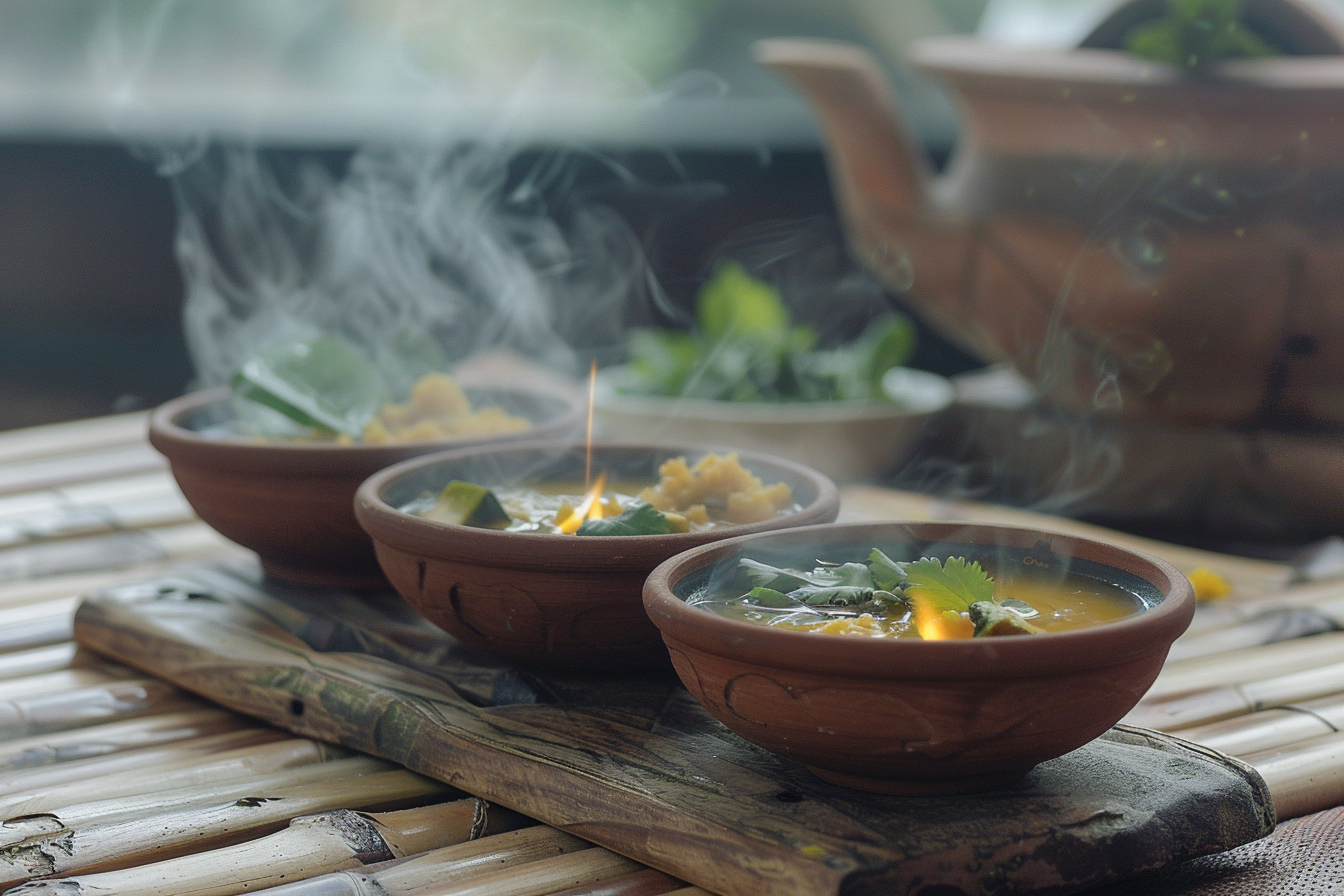
Amla supports digestion, immunity, and metabolism. It is commonly consumed in various Ayurvedic preparations and dietary forms. Honey Natural honey is valued for its digestive and balancing properties. It is often used as a natural sweetener and carrier for herbs. Warm and Light Foods Warm, lightly cooked meals are preferred as they are easier to digest and help maintain digestive fire.

Honey Natural honey is valued for its digestive and balancing properties. It is often used as a natural sweetener and carrier for herbs. Warm and Light Foods Warm, lightly cooked meals are preferred as they are easier to digest and help maintain digestive fire.
Ayurvedic Diet in Modern Lifestyle Modern lifestyles often involve fast food, late-night eating, and stress—factors that disturb digestion. Ayurveda offers simple dietary corrections that can be followed even today, such as mindful eating, avoiding overeating, and choosing wholesome foods. An Ayurvedic diet is sustainable because it focuses on balance, not restriction.

Berkheda, Pathani, Bhopal, Madhya Pradesh 462022


Leave a Reply

Your email address will not be published. Required fields are marked *